
Winter brings many challenges for homeowners, and among the most destructive yet often overlooked are roof ice dams. These frozen ridges of water at the edge of your roof can cause significant damage if left unchecked, turning a simple snowstorm into costly repair bills. Understanding roof ice dam prevention is essential for maintaining the safety, energy efficiency, and longevity of your home.
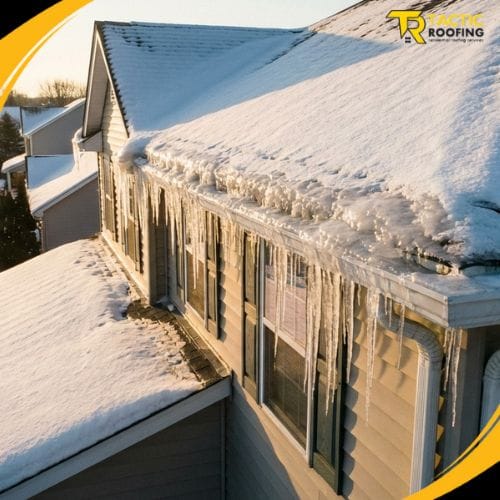
Ice dams are not just a seasonal nuisance—they are the result of a complex interaction between snow, heat loss, roof design, and ventilation. When snow melts unevenly on a roof and refreezes at the eaves, it creates a dam that traps additional meltwater. This water then backs up under shingles, potentially seeping into the attic, insulation, and interior walls. The consequences are serious: structural wood rot, mold growth, compromised insulation, and damage to ceilings and walls.
As the U.S. Department of Energy notes, “Poor attic insulation and inadequate ventilation are the primary contributors to ice dams, allowing heat to escape and snow to melt unevenly” . Proper prevention, therefore, starts from understanding your roof’s heat and airflow patterns, not just removing snow after the fact.
How Ice Dams Form
To effectively prevent ice dams, homeowners must understand the science behind them. Ice dams form when:
- Heat escapes from the living space into the attic – This warm air melts the snow on the upper portions of the roof.
- Melting water runs down to the colder eaves – The eaves remain below freezing because they overhang the unheated exterior walls.
- Water refreezes at the roof edge – As more snow melts above, water accumulates behind the dam, seeping under shingles or through flashings.
This process is exacerbated by heavy snowfall and fluctuating temperatures, which create cycles of melting and refreezing. The result is a persistent ridge of ice that can extend several feet along the eaves, gutters, or valleys.
Why Ice Dams Are Dangerous
Ice dams are more than just an aesthetic issue. They can cause:
- Roofing material damage – The constant freeze-thaw cycle weakens shingles and membranes.
- Water intrusion – Meltwater backing up under shingles infiltrates ceilings, walls, and insulation.
- Mold and mildew growth – Moisture trapped in insulation and structural wood provides a breeding ground for fungi.
- Structural stress – Ice adds weight, stressing gutters and even roof framing.
According to the National Roofing Contractors Association, “Even a minor ice dam can result in thousands of dollars in repair costs if it leads to water intrusion and mold growth” . This highlights why proactive roof ice dam prevention is far cheaper and safer than reactive repairs.
Common Causes Linked to Attic and Roof Design
1. Poor Attic Insulation
Heat escaping through poorly insulated ceilings is the primary driver of snow melt. Insufficient insulation allows warm air to escape, warming the roof deck above and initiating ice dam formation. Upgrading to high-R-value insulation can significantly reduce the risk.
2. Roof Ventilation Problems
Without proper ventilation, warm air builds up in the attic, further accelerating uneven snow melt. Effective ventilation involves a combination of soffit vents at the eaves and ridge or gable vents at the roof peak, allowing cold air to circulate and maintain uniform roof temperatures.
3. Complex Roof Design
Roofs with multiple dormers, valleys, and overhangs create natural snow traps and shaded areas where ice dams are more likely to form. Steep pitches, while shedding snow faster, may still suffer from localized melt patterns that promote damming.
4. Poorly Sealed Attic Penetrations
Even small gaps around chimneys, skylights, or plumbing vents allow warm air to escape into the attic. Sealing these penetrations with proper caulking or foam insulation prevents localized heat that can melt snow unevenly.
Preventive Measures
Insulation Upgrades
Proper insulation is your first line of defense. Recommended actions include:
- Increasing the R-value of attic insulation to recommended levels for your climate.
- Adding insulation baffles to maintain airflow around eaves and roof edges.
- Ensuring attic floors are fully insulated, especially over rooms prone to heat loss.
Ventilation Solutions
Smart roof ventilation strategies reduce heat buildup:
- Install soffit vents along eaves and ridge vents along the peak.
- Use gable or turbine vents where appropriate.
- Avoid blocking airflow with insulation, debris, or storage items.
Smart Roof Upgrades
Roof upgrades can enhance ice dam prevention:
- Install metal roof panels or ice-and-water shield membranes in vulnerable areas.
- Add snow guards or heat cables in chronic ice dam zones (with professional installation).
- Ensure gutters are clean and equipped with extensions that direct water away from the foundation.
Seasonal Maintenance Checklist
- Pre-winter: Inspect attic insulation and ventilation, seal gaps, and clean gutters.
- During winter: Safely remove excess snow using a roof rake; monitor ice build-up along eaves.
- Post-winter: Check for signs of water damage, repair shingles or flashing, and clear remaining ice.
DIY Tips and Warnings
While homeowners can take some measures themselves, caution is critical:
- Roof rakes are safer than climbing onto icy roofs.
- Avoid using sharp tools to chip ice, which can damage shingles.
- Heat cables should be installed by professionals to avoid fire hazards.
Professional Interventions
In severe or recurring ice dam situations, hiring a roofing professional is often the safest approach. Professionals can:
- Inspect insulation and ventilation deficiencies.
- Recommend upgrades or repairs tailored to the roof design.
- Apply ice-and-water shields in critical zones.
- Safely install and test heat cable systems.
A certified roofer can provide guidance and solutions that minimize risk while maximizing energy efficiency.
Conclusion: Proactive Roof Ice Dam Prevention
Roof ice dam prevention is a combination of smart design, proper insulation, effective ventilation, and seasonal maintenance. By addressing attic heat loss, upgrading insulation, ensuring proper airflow, and using strategic roof enhancements, homeowners can protect their property from water damage, mold growth, and costly repairs.
Ultimately, prevention is cheaper, safer, and more effective than dealing with the aftermath. A proactive approach ensures that snow and ice remain outside, where they belong, keeping your home warm, dry, and structurally sound throughout winter.