

Installing solar panels might seem like a no-brainer. Cut energy bills. Shrink your carbon footprint. Increase property value. But for all the benefits solar offers, there’s one key part of your home that could pay the price: your roof.
Behind every sleek panel array, there’s a layer of risk that often gets left out of the sales pitch. Not because installers are dishonest—but because their job is solar, not shingles.
This blog isn’t about talking you out of going solar. It’s about giving you the full picture. Because when you make an informed decision, you protect both your energy future and the structure that shelters you every day.
1. Mounting Systems Can Damage Roofing Materials
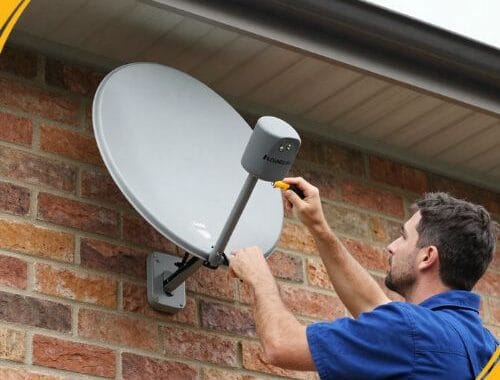
Solar panels must be attached to your roof—usually by drilling into it. That means breaking through protective layers.
What can go wrong:
- Improper installation can void your roof warranty
- Fasteners may pierce waterproof membranes
- Weight and movement can loosen shingles over time
If installers don’t work closely with a roofer, long-term damage can start from day one.
Pro tip: Always ask if your solar installer consults with a roofing expert during planning.
2. Roof Age Matters More Than You Think
If your roof is nearing the end of its lifespan, adding panels now could cost you big later.
Risks of installing on an older roof:
- You’ll need to remove the entire array for future replacement
- Adds thousands to the cost of re-roofing
- Accelerates wear on already weakened materials
Roof repair tips often recommend addressing any roof issues before installation—not after.
3. Leaks Don’t Show Up Right Away
One of the biggest risks? Delayed water intrusion.
Common causes of solar-related leaks:
- Improper flashing around mounts
- Over-torqued bolts creating cracks
- Poor sealing on tile or metal roofs
Leaks may not show for months—by which time mold or rot may have set in.
4. Your Roof’s Warranty Could Be at Risk
Most roofing systems come with manufacturer warranties. But unauthorized modifications often void them.
Questions to ask before going solar:
- Will this affect my roofing warranty?
- Who’s responsible for repairs if leaks develop?
- Does my installer carry roofing-specific liability insurance?
Clarity now saves confusion (and money) later.
5. Ventilation and Drainage Can Be Compromised
Solar panels change the way water, heat, and air flow across your roof.
Problems to watch for:
- Panels can block airflow, disrupting roof ventilation
- Debris buildup under panels can trap moisture
- Redirected runoff may overwhelm gutters or valleys
Without adjustments, you could invite premature wear or even structural issues.
6. Inspection Access Gets Complicated
Need a repair down the road? Solar panels make it harder to get eyes (and feet) on your roof.
How this plays out:
- Inspections take longer and cost more
- Hidden damage may go unnoticed
- Standard Roof Inspection Checklists become tougher to follow
Panels can act like armor—good for the sun, bad for visibility.
7. Tile and Flat Roofs Pose Unique Risks
Not all roofs are solar-friendly. Installers may downplay challenges.
Special challenges:
- Tile: Fragile and easy to crack under pressure
- Flat: Require weighted mounts or penetrative anchoring, both with pros and cons
Ask if your installer has specific experience with your roof type.
8. Removal Isn’t Always Simple (or Cheap)
If you need to repair or replace your roof later, panels must come off—and it isn’t DIY.
Things to consider:
- Removal/reinstallation costs range from $1,000–$6,000
- Delays in scheduling both roofing and solar teams
- Potential mismatch between old mounts and new roofing material
Plan ahead to avoid budgeting surprises.
9. Not All Roofing Materials Are Compatible
Certain materials, like slate or wood shake, are notoriously difficult to work with.
Why it matters:
- Drilling into brittle materials can cause splitting
- Some surfaces require special mounts not included in standard kits
If your roof falls in this category, explore options carefully.
10. Preventative Planning Makes All the Difference
Going solar doesn’t have to be a gamble. With proper planning, it can be a smart, safe upgrade.
Steps to take:
- Have your roof inspected before any solar consultation
- Fix any soft spots, leaks, or aging areas first
- Work with contractors who have a roofing background or bring one in
- Document all installation work for future reference
Solar and roofs can coexist beautifully—if they’re treated as a team.
Let the Sun Power Your Home—Not Damage It
You deserve a home that runs efficiently and stays structurally sound. Choosing solar is a big step in that direction. But protecting your roof while you do it? That’s the smarter next step.
At Tacticroofing, we believe your roof isn’t just a platform for technology. It’s a living, working shield. And if it’s not maintained, everything beneath it—including your solar system—is at risk.
So go solar. Just make sure your roof is ready first.